Many chiropractic clinics offer massage, and many patients assume the two services are a bundle in the way a car wash offers wax: nice together, unrelated in function. In practice the pairing is mechanical, and the order matters. Muscles and joints are not separate systems. Muscles move joints, joints position muscles, and when one is treated while the other is ignored, the untreated half tends to drag the treated half back to where it started. Understanding what each half does explains the sequencing clinics use and what you should expect from the combination.
- Massage first. Tight, guarding muscles are worked loose so they stop bracing the joint against movement.
- Adjustment second. With the soft tissue relaxed, the chiropractor needs less force to restore motion to the joint.
- Re-check motion. Range of motion and the original complaint are retested to confirm the visit changed something measurable.
- Exercise to hold it. Rehabilitative stretching and strengthening homework keeps muscles from re-tightening into the old pattern.
- Report back. Soreness, relief duration, and any new symptoms at the next visit adjust the sequence and the plan.
What each one actually does
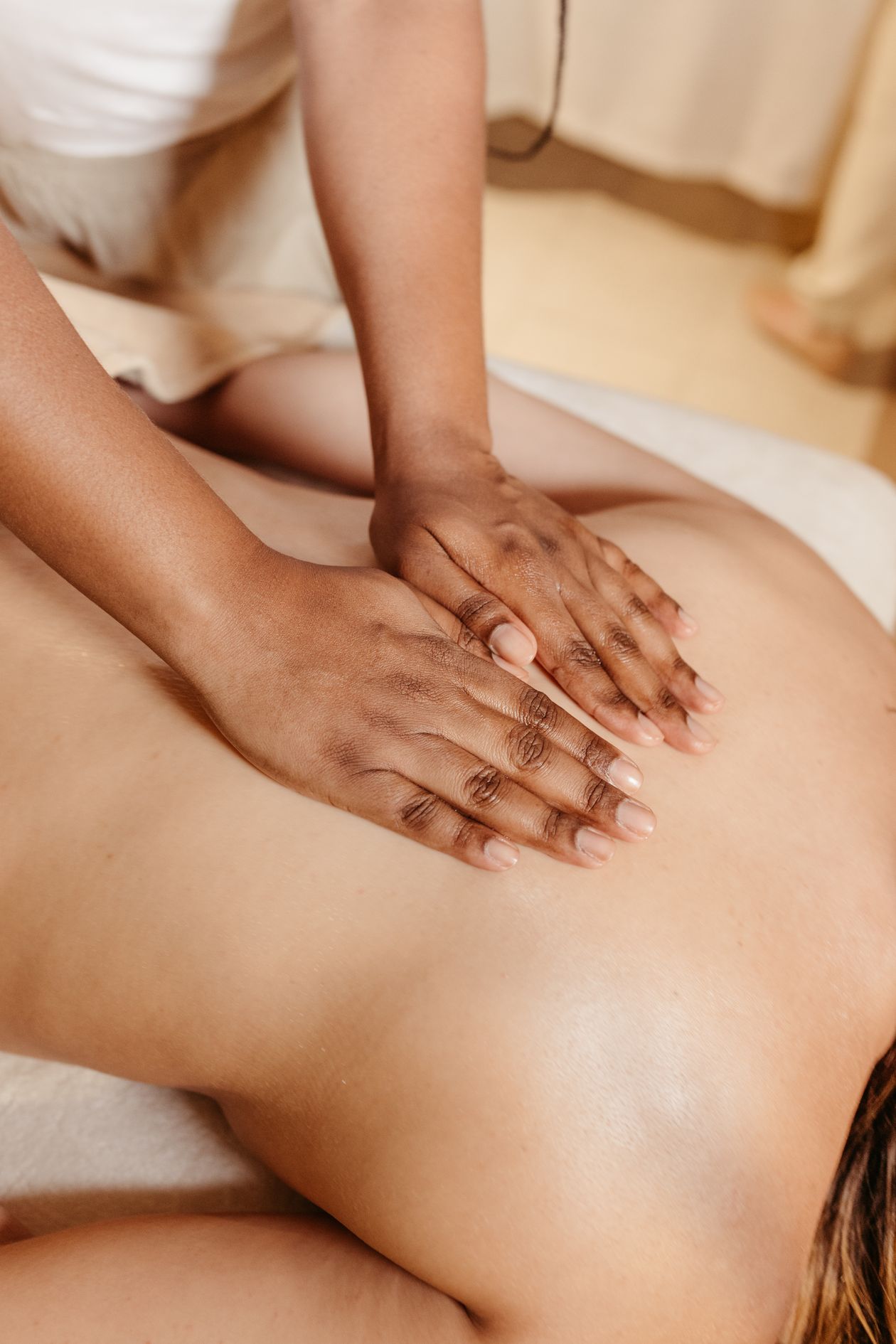
Massage works on soft tissue: muscle, fascia, and the local circulation through them. Its jobs in a chiropractic setting are to reduce muscle spasm and guarding, work out the tender, knotted areas that develop around a painful joint, and make the region movable. What massage does not do is change how a spinal joint itself moves. A stiff facet joint massaged faithfully for a month is still a stiff facet joint, surrounded by happier muscles.
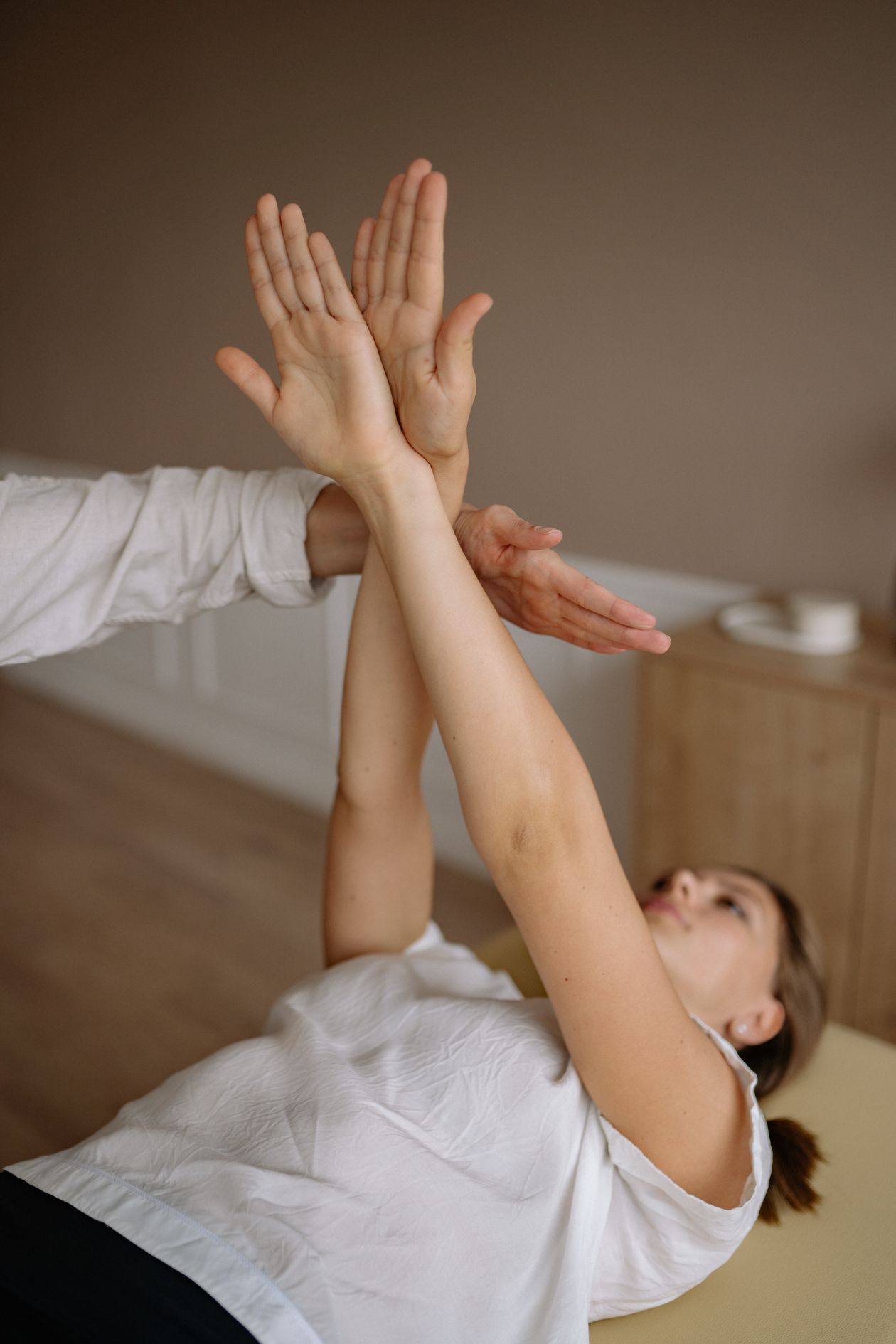
An adjustment works on the joint. It applies a specific, controlled force to restore motion to a joint that is restricted. What an adjustment does not do is persuade a chronically tight, guarded muscle to let go long term. Adjust a joint inside a wall of spasm and the spasm re-restricts it, sometimes within days. Each treatment covers the other's blind spot, which is the entire argument for combining them rather than a marketing one.
Why massage usually comes first
The general clinical recommendation, stated plainly in the patient guidance at clinics like Hall Clinic of Chiropractic, is massage before adjustment, particularly for new patients and anyone whose muscles are significantly tight. The reasoning is straightforward. A muscle in spasm is actively bracing the joint. Loosen it first and the adjustment requires less force, feels easier, and has a better chance of restoring full motion, because the chiropractor is no longer working against the patient's own protective tension. Patients who have had adjustments both ways usually describe the same difference the clinicians predict: the after-massage version is gentler and the relief lasts longer.
There are exceptions, and a good clinic will name yours rather than follow a script. A patient in acute pain who cannot tolerate pressure on the area may be adjusted gently first, with massage added once things calm. A maintenance patient whose muscles are not the problem may skip massage entirely some visits. The point is the sequence is a clinical choice, not a house rule.
What the combination cannot do alone
Massage plus adjustment, repeated, still leaves one gap: nothing in the treatment room teaches your body to keep the result. The pattern that built the problem, the desk posture, the weak stabilizers, the weekend warrior schedule, continues outside. That is why care plans so often add the third leg, rehabilitative exercise: stretching for what is short and tight, strengthening for what has switched off. It is the least glamorous part of the plan and the part that determines whether you graduate from care or become a permanent subscriber to it. Patients who do the homework are the ones whose visits space out, which is the outcome everyone at the clinic should be able to agree is the good one.
Practical notes for your visit
Tell both practitioners what the other found. Massage therapists discover tender areas and asymmetries that are useful information for the chiropractor, and adjustments reveal which restrictions are joint-based versus muscle-based, which focuses the massage. Mention medications and any area that is newly numb, weak, or injured, since both treatments change around those facts. Expect mild soreness after early combined visits, the good-workout kind, settling within a day or two. And note how long relief lasts after each visit and report it: relief that doubles in duration when massage precedes adjustment is data, and it should shape the plan going forward.
Common questions
Should I get massage before or after my adjustment?
Before, in most cases. Relaxed muscles stop guarding the joint, so the adjustment can be gentler and more complete. Exceptions exist for acute pain and maintenance visits, and your clinic should be able to explain the order chosen for you.
Can massage replace chiropractic adjustments?
No, because they treat different structures. Massage addresses muscle and soft tissue; adjustments address restricted joints. Either one can be the right single treatment for some problems, but a joint restriction will not be fixed by massage alone, however good it feels.
Is it normal to be sore after a combined visit?
Mild soreness for a day or two is common early in care, similar to the feeling after a new workout, and it typically settles within 12 to 48 hours. Sharp, worsening, or new symptoms should be reported rather than waited out.
Photos in this guide are representative stock images.
← All guides from Hall Clinic of Chiropractic← Back to Hall Clinic of Chiropractic